


Table of Contents

Introduction: Why Luxury Investment Strategies Matter
Imagine owning a slice of the world’s most coveted brands, rare real estate, or timeless collectibles—not just for status but for building true, lasting wealth. “Luxury investment strategies” aren’t just about indulging in opulence—they’re powerful tools for protecting money from inflation, growing capital, and future-proofing legacies. In India and globally, luxury assets are outperforming traditional investments, thanks to an expanding class of high-net-worth individuals and a thirst for exclusivity.
What Are Luxury Investment Strategies?
Luxury investment strategies involve putting your money in high-value assets that have a reputation for exclusivity, resilience, and strong historical returns. Think fine real estate, luxury brand stocks, rare watches, art, and even “The Luxury Fund” or specialized ETFs like the Amundi S&P Global Luxury UCITS ETF.
Key Luxury Investment Types
- Luxury Real Estate: Premium properties in prime locations. Attracts HNIs, provides rental income, and significant appreciation over time.
- Luxury Brand Stocks: Shares of companies like LVMH (Louis Vuitton, Moët Hennessy, Dior) and homegrown giants (Titan, Ethos) that dominate aspirational lifestyles.
- Luxury Investment Funds/ETFs: Pooled funds such as The Luxury Fund, Amundi S&P Global Luxury UCITS ETF, and GAM Luxury Brands that focus on global luxury stocks.
- Collectibles: Rare watches, vintage cars (think Ferrari), jewelry, art, and limited-edition items.
- Alternative Luxury Assets: Super yachts, overseas luxury real estate, and even luxury sector-focused venture capital.

Luxury Investment Strategies in India
India’s luxury market is booming, moving from ₹1.3 trillion ($17.67 billion) in 2024 toward a projected ₹6.2 trillion ($85 billion) by 2030. The surge is fueled by a growing number of HNIs, global brand presence, and digital platforms.
Top Approaches for Investors
- Luxury Real Estate:
- Buy-and-hold premium residences or commercial spaces for appreciation and rental yield.
- Flip well-located luxury properties for profit.
- Invest in mixed-use developments for diversification.
- Stocks and Funds:
- Buy shares in Titan, Kalyan Jewellers, and international luxury giants exported to Indian exchanges.
- Invest via luxury-focused ETFs and mutual funds for diversification (Amundi S&P Global Luxury UCITS ETF).
- Venture Capital & Private Equity:
- Early-stage funding via The Luxury Fund or similar VC firms focused on fashion-tech and sustainable luxury.
- Collectibles & Alternatives:
- Acquire rare luxury watches, cars, or art as inflation hedges and status assets.
Why India’s Ultra-Rich Love Luxury
- Wealth Protection: Luxury real estate and assets act as legacy-building tools.
- Resilience: Luxury goods weather economic downturns better than mass-market products.
- Growth Driver: Aspirational middle class and tech-enabled access fuel market expansion.
Best Luxury Investment Strategies for Beginners
Starting out? These beginner-friendly steps can help you build your first luxury portfolio:
- Educate Yourself: Read up on luxury brands, market cycles, and asset valuation.
- Start Small: Dip in with luxury sector ETFs or stocks. Consider fractional ownership.
- Diversify: Combine real estate, stocks, and collectibles for a balanced risk profile.
- Monitor Trends: Track consumer preferences, sustainability efforts, and e-commerce channels for opportunities.gam+1
- Consult Experts: Work with specialist advisors or funds like The Luxury Fund for curated deals.
Investment Vehicles—The Luxury Fund, Amundi & GAM
The Luxury Fund
A venture capital firm investing in technology, fashion, and fashion-tech, with a global portfolio of disruptive brands. The fund focuses on premiumization, customization, and digitization, helping founders turn ideas into market leaders.
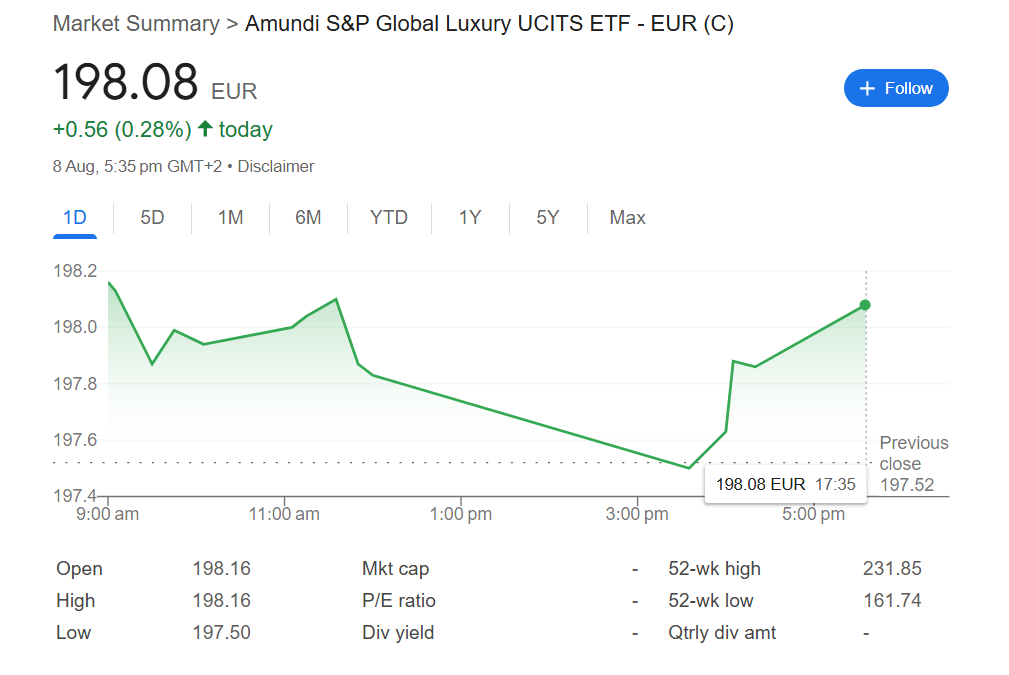
Amundi S&P Global Luxury UCITS ETF
Tracks ~80 global luxury stocks via the S&P Global Luxury index (incl. LVMH, Richemont, Ferrari). TER: 0.25% p.a., assets: €361 million, launched in 2008. Dividends are reinvested, offering an accessible, diversified entry to the luxury sector.
GAM Luxury Brands Fund
An actively managed fund investing in 25–35 global luxury companies (fashion, automobiles, jewelry, beverages) for long-term capital appreciation.
LVMH & Other Luxury Brand Stocks
LVMH—The world’s largest luxury conglomerate, owner of 75+ brands, valued over $500 billion in 2023. Available via Paris stock exchange, US ADRs, and luxury sector funds. Brands like Ferrari and The Italian Sea Group (super yachts) sit atop the “luxury pyramid,” catering to ultra-wealthy investors with resilience against global shocks.
Luxury Investments PDF Guides & Resources
- Find downloadable Luxury Investment Strategies PDF guides on leading property developer sites, investment platforms, and fund websites.
- Subscribe to market intelligence newsletters and trusted financial news outlets for ongoing tips.
Statistics & Insights: Why Invest in Luxury?
- India’s luxury goods market 2024: $17.67 billion; projected CAGR 3.17% to 2029; expected $85 billion by 2030.
- Luxury real estate market: $38 billion in 2024; $101.92 billion by 2029.
- LVMH market value: Surpassed $500 billion in 2023.
- Luxury stock resilience: Holds firm or grows even during economic downturns.
Read also: How to Invest in Web3 Startups Safely: A Beginner’s Guide
Expert Tips for Building a Luxury Portfolio
- Focus on Brands with Strong Equity: Prioritize brands with pricing power, heritage, and exclusivity.
- Stay Informed: Follow global luxury trends— sustainability, digitalization, and made-to-order are key drivers.
- Invest in Top-of-Pyramid Assets: Consider super yachts, rare cars, and real estate in global hotspots.
- Leverage Passive Income: Use rental income from luxury properties to balance capital appreciation.
- Review Regularly: Track fund performance, market news, and asset values at least quarterly.
FAQs
What are the best luxury investment strategies in India?
Invest in premium real estate, luxury brand stocks (Titan, Ethos), sector-focused ETFs (Amundi S&P Global Luxury), and collectibles. Diversification and market research are key.
How can beginners start with luxury investments?
Beginners should consider fractional shares of luxury ETFs, brand stocks, and small-scale property investments. Educate yourself and consult experts or platforms for guidance.
What is The Luxury Fund?
It’s a venture capital fund investing in early and growth-stage luxury, fashion, and fashion-tech companies globally, focusing on innovation and premium segments.
Which is better: luxury real estate or luxury stocks?
Both offer potential. Real estate provides stability and income; stocks offer liquidity and global exposure. Combining both creates a robust portfolio.
How do luxury ETFs like Amundi S&P Global Luxury work?
They track a basket of global luxury stocks, offering diversified, low-cost exposure. Dividends are reinvested for compounded growth, and entry is accessible for most investors.
Conclusion: Luxury Investment Strategies—Your Passport to Prestigious Wealth
Luxury investment strategies give you the unique chance to grow wealth, safeguard your legacy, and enjoy life’s finest things. Whether you’re starting out or looking to expand, these assets offer resilience, global reach, and long-term potential. Ready to invest in luxury? Explore funds, educate yourself, and start building your portfolio with confidence.
Call to Action:
Curious where to begin on your luxury investment journey? Download our “Luxury Investment Strategies PDF,” browse top funds, or connect with expert advisors to get started today!

Other Articles

How to Invest in Bitcoin Legally: A Beginner’s Guide
How to Invest in Web3 Startups Safely: A Beginner’s Guide


