


The Complete SEO Checklist for Websites: Technical, On-Page, Performance, and Content Optimization
Search engine optimization is not a single task that can be completed once and forgotten. It is an ongoing process of making a website easier to crawl, understand, use, and trust. A strong SEO strategy combines technical foundations, useful content, fast performance, clear site architecture, and continuous measurement.
The SEO Checklist v2.0 spreadsheet provides a broad framework for organizing these activities. This guide turns that framework into a practical workflow that website owners, bloggers, businesses, and content teams can follow without treating SEO as a collection of isolated tricks.

Primary keyword: SEO checklist
What Is an SEO Checklist?
An SEO checklist is a structured list of tasks used to improve a website’s visibility in search engines. It typically covers five connected areas:
- SEO foundation: analytics, search-engine tools, security, and trust pages.
- User experience: mobile usability, navigation, readable URLs, and accessibility.
- Website performance: hosting, caching, image optimization, and Core Web Vitals.
- Technical and on-page SEO: crawling, indexing, metadata, headings, links, and structured content.
- Off-page and local SEO: reputation, relevant links, brand mentions, and local business visibility.
The purpose of a checklist is not to complete every item mechanically. It is to identify risks, prioritize high-impact improvements, and create a repeatable process for maintaining search visibility.
1. Build the SEO Foundation First
Set up Google Search Console
Google Search Console is one of the most important free tools for website SEO. It helps site owners understand how Google discovers and displays their pages. After verifying the website, review:
- Indexing status and excluded pages
- Search queries, impressions, clicks, and average position
- Core Web Vitals reports
- Mobile usability issues, where available
- Manual actions and security problems
- Sitemap processing and indexing errors
Search Console should be connected early because it provides first-party search data that other tools cannot fully replace.
Install analytics correctly
Use Google Analytics or another privacy-conscious analytics platform to measure meaningful user activity. Track more than pageviews. Depending on the website, useful events may include newsletter signups, contact-form submissions, purchases, downloads, account registrations, or engagement with important tools.
If Google Tag Manager is used, maintain a clear naming convention and document each tag, trigger, and variable. Avoid installing multiple tracking implementations that record the same event twice.
Verify Bing Webmaster Tools
Bing Webmaster Tools provides additional search visibility data, indexing reports, and diagnostic features. It can also be useful for submitting sitemaps and reviewing how Bing interprets the site.
Confirm HTTPS and trust pages
Every important page should load securely over HTTPS. Also make sure the website has clear trust and legal pages where relevant:
- About Us
- Contact
- Privacy Policy
- Terms and Conditions
- Refund, shipping, or editorial policies when applicable
These pages support transparency and help visitors understand who operates the website.
2. Improve User Experience and Site Usability
Use clean, descriptive URLs
A good URL should be readable, stable, and descriptive. For example:
example.com/complete-seo-checklist/
is clearer than:
example.com/page?id=8472&cat=3
Use lowercase words, hyphens between terms, and avoid unnecessary dates or parameters unless they serve a clear technical purpose. Do not change established URLs casually; use appropriate redirects when restructuring a site.
Make the website mobile-friendly
Pages should work comfortably on small screens. Check navigation menus, buttons, forms, tables, images, popups, and embedded content on mobile devices. Text should be readable without zooming, and interactive elements should have enough spacing to tap accurately.
Strengthen navigation and internal discovery
Visitors and search engines should be able to reach important pages through logical navigation. Use category pages, breadcrumbs, related-content links, and contextual internal links to connect topics.
A useful rule is that important pages should not be buried several clicks deep without a good reason. Build topic clusters so that a comprehensive guide links to supporting articles, and supporting articles link back to the main guide when relevant.
Create a helpful 404 page
A custom 404 page should explain that the requested page could not be found and provide useful next steps, such as a search box, homepage link, popular articles, or major categories. It should still return the correct 404 HTTP status rather than pretending the missing URL is a valid page.
3. Make Website Performance a Priority
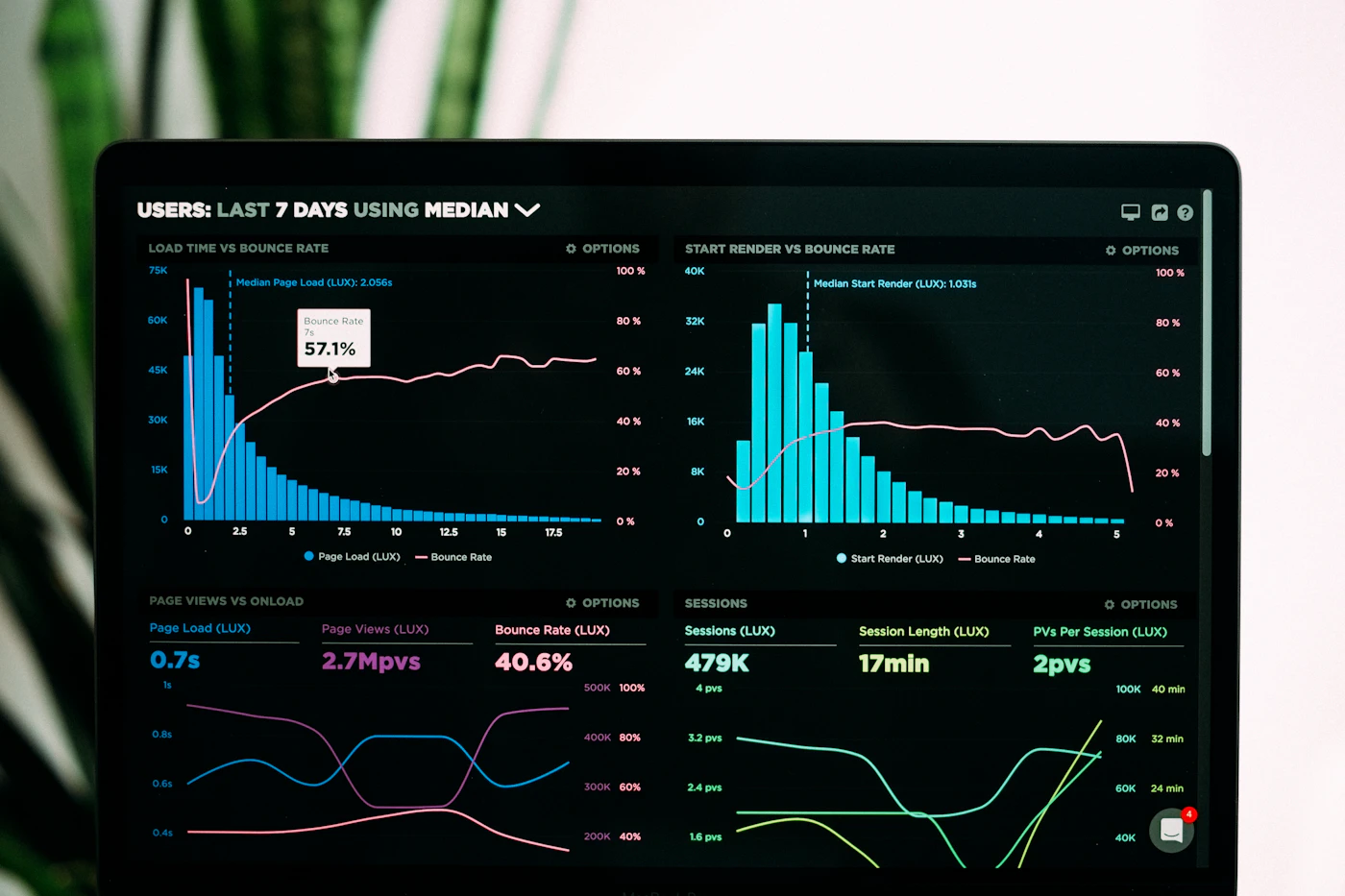
Performance affects usability, conversions, and search experience. The goal is not simply to achieve a perfect score in a speed-testing tool; it is to make real pages load and respond efficiently for real users.
Review hosting and server response time
Choose hosting that matches the site’s traffic and application requirements. Monitor server response time, uptime, database performance, and resource limits. A poorly configured server can undermine every front-end optimization.
Use caching and a content delivery network
Page caching, browser caching, object caching, and a CDN can reduce load times when configured correctly. A CDN is especially useful for serving static assets closer to visitors in different regions.
Compress and resize images
Upload images at dimensions appropriate for their display size. Use modern formats such as WebP or AVIF when supported by the website’s workflow. Compress images without creating visible quality problems, and avoid uploading a large camera-original image when a small web image would be sufficient.
Minify and control scripts
Remove unnecessary JavaScript and CSS, reduce third-party scripts, and load nonessential resources only when needed. Analytics, chat widgets, advertising scripts, social embeds, and visual effects can collectively create significant performance costs.
Monitor Core Web Vitals
Pay attention to the user-focused performance signals commonly associated with loading, interactivity, and visual stability. Investigate pages with slow server response, delayed rendering, layout shifts, or heavy interaction costs rather than relying on a single homepage score.
4. Complete the Technical SEO Checklist
Check crawlability
Search engines need permission and pathways to discover important pages. Review the robots.txt file, XML sitemap, internal links, navigation, and server responses. Make sure valuable pages are not accidentally blocked by robots.txt, noindex directives, authentication requirements, or broken links.
Maintain an accurate XML sitemap
An XML sitemap should contain canonical, indexable URLs that are genuinely useful to searchers. Remove redirected, duplicated, deleted, and noindex URLs where possible. Submit the sitemap through Google Search Console and Bing Webmaster Tools.
Use canonical tags correctly
Canonical tags help communicate the preferred version of a page when similar or duplicate URLs exist. They should point to the correct canonical URL and should not be used as a substitute for fixing a confusing site structure.
Audit redirects and broken links
Look for broken internal links, redirect chains, redirect loops, and outdated external links. A single direct 301 redirect is usually preferable to sending users through several intermediate URLs. Update internal links after URL changes whenever possible.
Check indexation and duplicate content
Review which pages are indexed and whether low-value, duplicate, filtered, tag, search, or parameter URLs are creating unnecessary crawl activity. Not every page needs to be indexed. The objective is to help search engines focus on pages that deserve to appear in results.
5. Optimize Every Important Page On-Page
Match content to search intent
Before writing, identify what the searcher actually wants. A query may indicate informational, navigational, commercial, transactional, or local intent. The page format should match that intent. A “how to” query usually needs a clear tutorial, while a product comparison needs transparent criteria and practical differences.
Write a strong SEO title
The title should communicate the page’s subject and give users a reason to click. Include the primary topic naturally, but avoid repetitive keyword strings. Keep the most important wording near the beginning when practical.
Create a useful meta description
A meta description should summarize the page accurately and explain its value. It is not a direct ranking guarantee, but a relevant description can improve the quality of search-result snippets and help users decide whether to visit.
Use one clear H1 and logical headings
Use a single primary heading that describes the page. Organize the content with H2 and H3 headings that reflect the actual structure. Headings should help readers scan the page rather than exist only to place keywords.
Place keywords naturally
Use the primary keyword in important locations when appropriate: the title, URL, introduction, main heading, and relevant subheadings. Include related terms, entities, questions, and synonyms naturally. Avoid keyword stuffing, awkward repetition, and writing for algorithms at the expense of clarity.
Add internal and authoritative external links
Internal links help users discover related resources and help search engines understand topical relationships. External links should support claims, cite original research, or direct readers to authoritative documentation. Link because the destination is useful, not simply to increase the number of links.
6. Create Content That Deserves to Rank
Start with a clear content brief
A good content brief should define the target audience, primary search intent, primary keyword, related topics, desired format, competing page types, and the unique value the article will provide.
Demonstrate first-hand usefulness and expertise
Strong content answers the reader’s question thoroughly and responsibly. Add examples, screenshots, practical steps, limitations, definitions, original analysis, or expert review where relevant. Make it clear who created the content and how factual claims were verified.
Build topic clusters
Instead of publishing disconnected articles, organize content around core topics. A pillar guide can cover the broad subject, while supporting pages address specific questions. This structure improves navigation, strengthens topical context, and gives readers a natural learning path.
Update content based on evidence
Review articles when facts, products, policies, screenshots, or recommendations change. Use analytics and Search Console data to identify pages with declining traffic, high impressions but low clicks, or ranking potential that could improve with better coverage.
7. Follow Image SEO Best Practices
Images can improve comprehension, engagement, and accessibility when they are relevant to the content. Every meaningful image should have:
- A descriptive filename
- Useful alternative text when the image conveys information
- Appropriate dimensions and compression
- A responsive display size
- A caption or attribution when context requires it
Decorative images may use empty alt text when appropriate. Do not stuff keywords into alt text. Describe what the image communicates, not merely what keyword you want it to rank for.
8. Strengthen Off-Page and Local SEO
Earn relevant, trustworthy links
Quality backlinks generally come from useful resources, original research, partnerships, digital PR, community participation, and genuinely valuable content. Avoid buying low-quality links or participating in schemes designed only to manipulate rankings.
Build consistent brand signals
Keep important business information consistent across official profiles and reputable directories. Link to the official website from relevant social profiles and maintain accurate organization, author, and contact information.
Optimize local visibility when relevant
Local businesses should claim and maintain their Google Business Profile, keep hours and contact details accurate, add relevant categories, upload useful photos, and encourage genuine customer reviews. Local SEO should reflect the real services and locations the business serves.
9. A Practical SEO Prioritization Framework
Not every checklist item has the same urgency. Use this order when resources are limited:
- Fix critical problems: hacked pages, broken indexing, HTTPS errors, server downtime, accidental noindex tags, and major mobile issues.
- Improve discoverability: sitemap, robots.txt, internal linking, canonical URLs, redirects, and navigation.
- Improve page experience: speed, image size, layout stability, readability, and mobile usability.
- Improve content quality: search intent, titles, headings, topical coverage, originality, and accuracy.
- Grow authority: useful partnerships, digital PR, community presence, and relevant links.
- Measure and iterate: review performance regularly and update the plan based on evidence.
10. Monthly SEO Maintenance Checklist
- Review Google Search Console coverage and performance reports.
- Check important pages for indexing, redirects, and broken links.
- Review traffic, conversions, and engagement—not just rankings.
- Update outdated articles and verify external references.
- Compress new images and inspect page speed issues.
- Review new pages for titles, descriptions, headings, canonical tags, and internal links.
- Monitor security, backups, uptime, and software updates.
- Review local listings and business information when applicable.
- Identify content opportunities from new queries and unanswered user questions.
Recommended Official Resources
- Google Search Central SEO Starter Guide
- Google Search Console
- Google documentation on XML sitemaps
- Web Vitals documentation
- Bing Webmaster Tools
Final Takeaway
The best SEO checklist is not the one with the most tasks. It is the one that helps a website consistently deliver accessible, fast, trustworthy, and genuinely useful pages. Start with technical stability, improve the user experience, publish content that matches search intent, and measure results over time.
Use the checklist as a living operating system for SEO—not as a one-time audit. Regular reviews and thoughtful improvements are what turn isolated optimizations into sustainable search growth.

Solana Breakpoint 2026 Student Scholarship: Fully Funded Travel Opportunity


